
Grand Staircase–Escalante National Monument — larger than all five of Utah’s national parks combined — is one of the most extraordinary landscapes in America. It was protected because it matters: to science, to history, and to the people who call this region home. Its cliffs and canyons hold fossils that reshape our understanding of life on Earth, sacred and historic sites that carry deep cultural meaning, and fragile desert ecosystems found nowhere else.
But protection on paper is not enough.
Grand Staircase–Escalante Partners is a rural nonprofit rooted in the communities that surround the Monument. We work alongside local residents, scientists, land managers, and Tribal partners to care for this place every day. We support research and education, preserve cultural memory, improve trails and habitat, and create opportunities for local people to stay connected to the land and benefit from it responsibly.
The Monument’s future depends on steady, local stewardship. Our job is to make sure this landscape — and the communities tied to it — remain strong for generations to come.
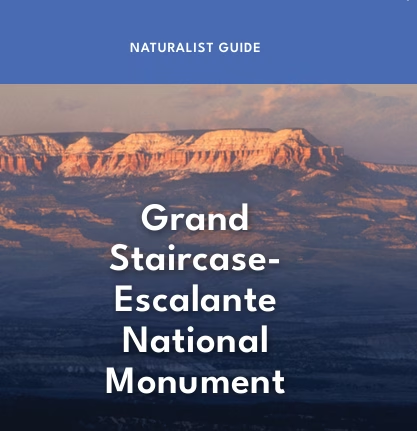
Grand Staircase-Escalante National Monument Guidebook
Check out our new Guidebook! Whether you’re going to Grand Staircase-Escalante National Monument for the first time or are fascinated by Biological Soil Crust, this guidebook is your one-stop shop for everything GSENM!

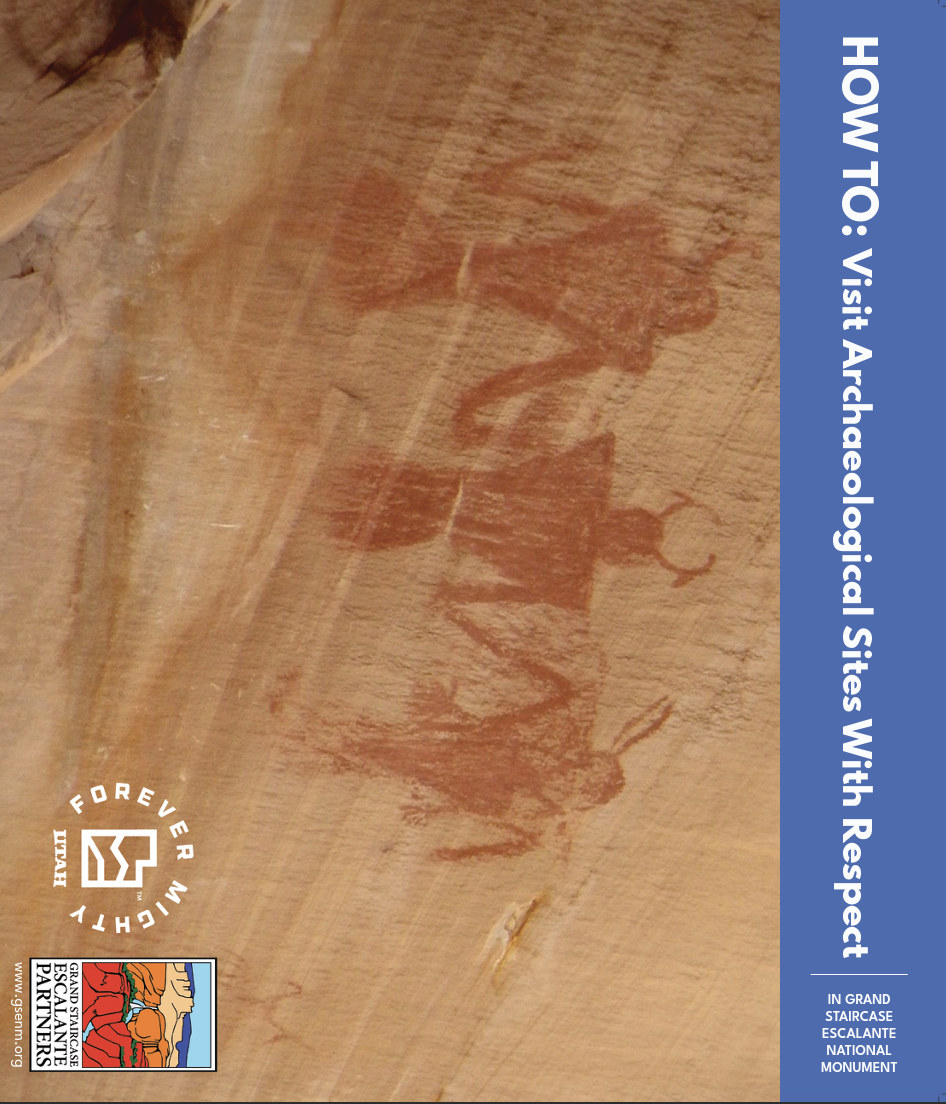
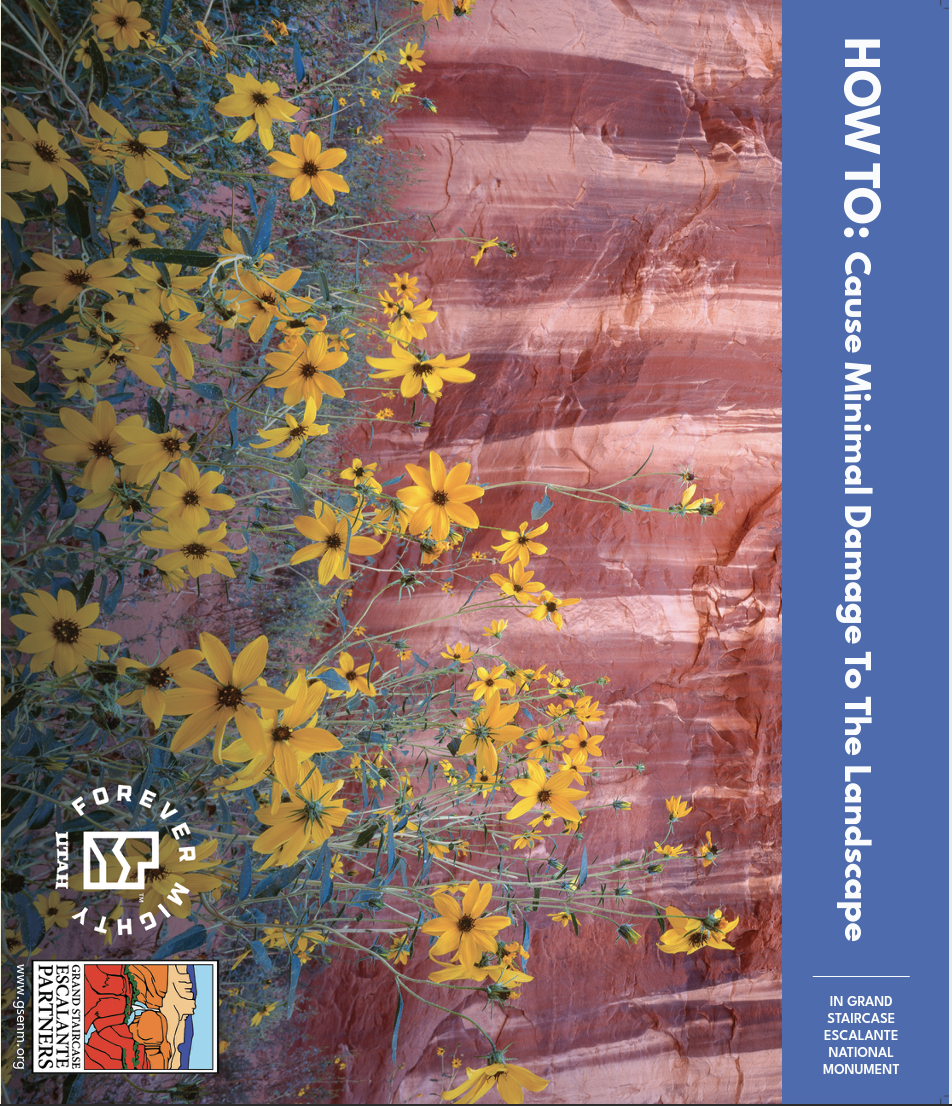
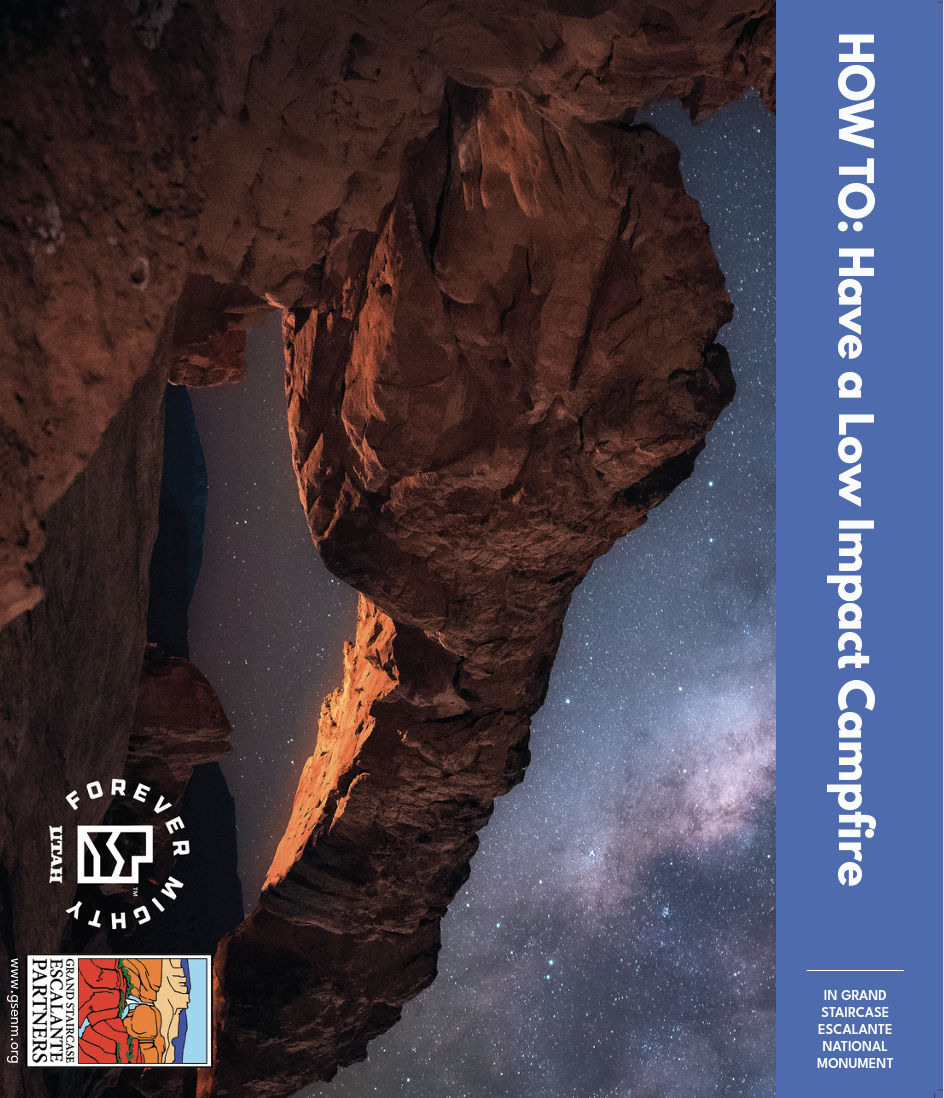
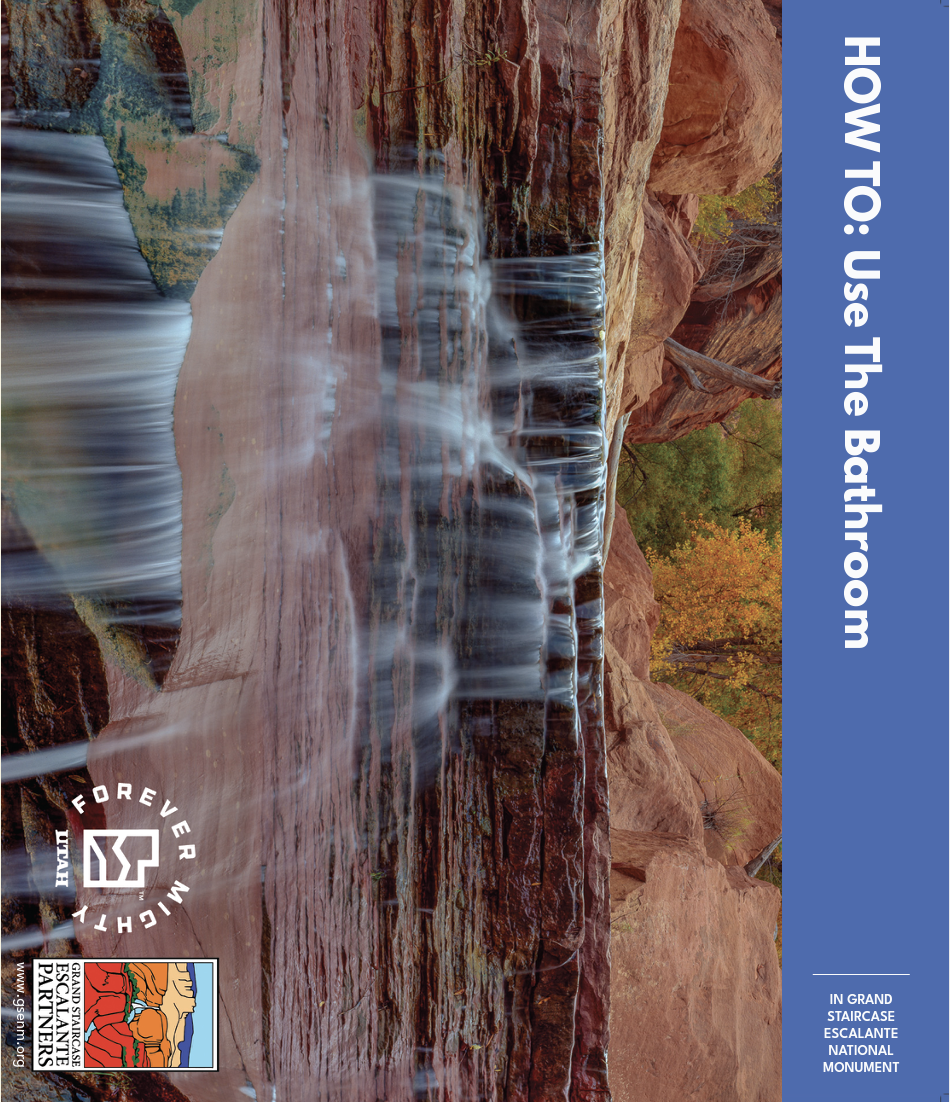
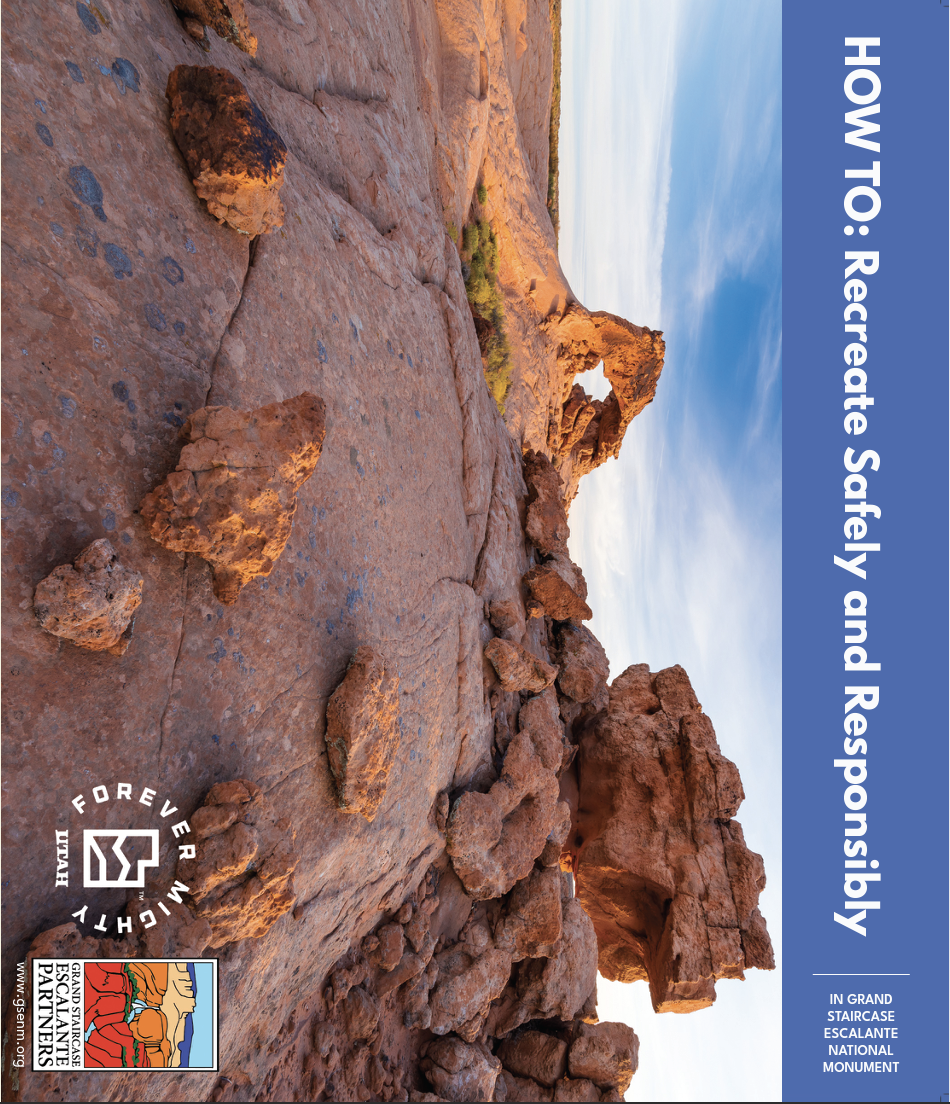
Visiting with respect means that we honor the land and the home of Native people by protecting the landscape, biodiversity and cultural sites of Grand Staircase-Escalante. These resources can help you plan your visit and gain a deeper understanding of this unique monument and its surrounding area.
Visit with Respect
Grand Staircase has become a destination spot for recreation and exploration, but resources on the ground are limited, and working together to support the land is more important than ever. Recent vandalism in areas formally within the Monument comes as Grand Staircase experiences an unprecedented rise in visitation. These inexplicable acts of vandalism echo the horrific desecration to cultural sites like the Birthing Rock petroglyphs in Moab. It is vital that we all spread the message of respectful visitation.
The first thing to know about Grand Staircase-Escalante is that it’s the ancestral homelands for many Native peoples alive today, including the Hopi, Zuni, Dine/Navajo, San Juan Southern Paiute, Tesuque Pueblo, Kaibab Paiute, Ute, Ute Mountain Ute, Jemez Pueblo, and Acoma nations. Most of the cultural and historic sites we seek to safeguard are their ancestral homes. Far from being “ruins,” they are the dwellings where their families spent their lives and the panels of pictographs and petroglyphs are records of their family histories. We must respect the Indigenous Peoples with enduring connections to this landscape and preserve the places that are essential to sustaining their culture, tradition, and connection to their families.
The Indigenous Peoples of Grand Staircase lived in this region since time immemorial. They lived with a holistic understanding of the natural world – the shadows that cool the rocks, the water trickling from seeps and springs, fish spawning in the high mountain lakes, the signs of rain and drought, the medicine of the plants, shelter found beneath canyon walls, and the tracks of animals in the upland forest. Every aspect of life was weaved into understanding a healthy relationship with the land.
Davina Smith, a member of the Diné (Navajo) tribe and a Partners’ board member, helped organize the Women of Bears Ears. They released a statement published in the New York Times that beautifully speaks to the relationship Native peoples have with the land – a connection we should all seek to cultivate. We encourage you to read this powerful statement in its entirety here.
“We relate to these lands who are alive. We know the names of the mountains, plants and animals who teach us everything we need to know to survive. We have within our cultures a familial bond. We know these lands as a mother knows her child, as a child knows her mother.”